
Lower Back Pain: Causes, Conditions & Exercises
Everything you need to understand, treat and prevent lower back pain — from common causes to simple exercises that help reduce pain and improve movement.
Understanding Lower Back Pain – A Practical Guide
Lower back pain is the leading cause of disability worldwide and one of the most common problems I see in clinic. It affects people of all ages and activity levels. In the vast majority of cases it improves significantly with the right approach — and understanding what is driving it is the most important first step.
This guide covers the most common causes and conditions, why lower back pain sometimes persists or returns, and what tends to help.
Common Patterns and Causes of Lower Back Pain
Lower back pain rarely has a single explanation. It typically develops from a combination of loading habits, movement patterns, strength and lifestyle factors. Identifying which of these is most relevant to your situation is key to knowing what needs to change.
Common Causes of Lower Back Pain
Lower back pain is rarely caused by a single thing. Most cases involve a combination of muscle strain, joint irritation, disc changes, and the habits carried through daily life. Understanding what's driving your pain is the first step to managing it effectively.
Muscle and Soft Tissue Strain
One of the most common causes — often triggered by sudden movements, heavy lifting, or prolonged sitting. The muscles around the spine become overloaded and react with protective tightening and localised pain. Usually settles well with gentle movement and time.
Facet Joint Irritation
The small joints between each vertebra can become irritated from sustained postures or repetitive loading. This typically causes one-sided lower back aching that worsens with arching or twisting, and eases when sitting forward or walking.
Disc-Related Pain
The intervertebral discs can bulge or become sensitised, sometimes pressing on nearby nerves. This can cause local back pain or pain that travels into the buttock or leg. Disc-related symptoms often respond well to specific movement and loading strategies.
Postural and Lifestyle Factors
Long hours at a desk, repetitive bending, or simply moving too little puts cumulative stress on the lower back. Over time, this sensitises the tissues and lowers their tolerance to normal activity — making the spine feel more vulnerable than it actually is.
Common Conditions
-
Disc Degeneration: Symptoms, Causes & Treatment
Learn about disc degeneration / disease, common symptoms, when to seek help and practical steps that may support recovery.

-
Sciatica: Symptoms, Causes & Exercises
Understand sciatica symptoms, common causes and practical exercises that may help calm nerve-related leg pain.

-
Spinal Stenosis: Symptoms, Causes & Exercises
Learn about spinal stenosis, common symptoms, when to seek help and practical steps that may support recovery.

Ready to Get a Proper Assessment?
Understanding what’s driving your pain is the first step. Book a movement assessment and get a clear picture of what’s going on — and what to do about it.
Exercises
-
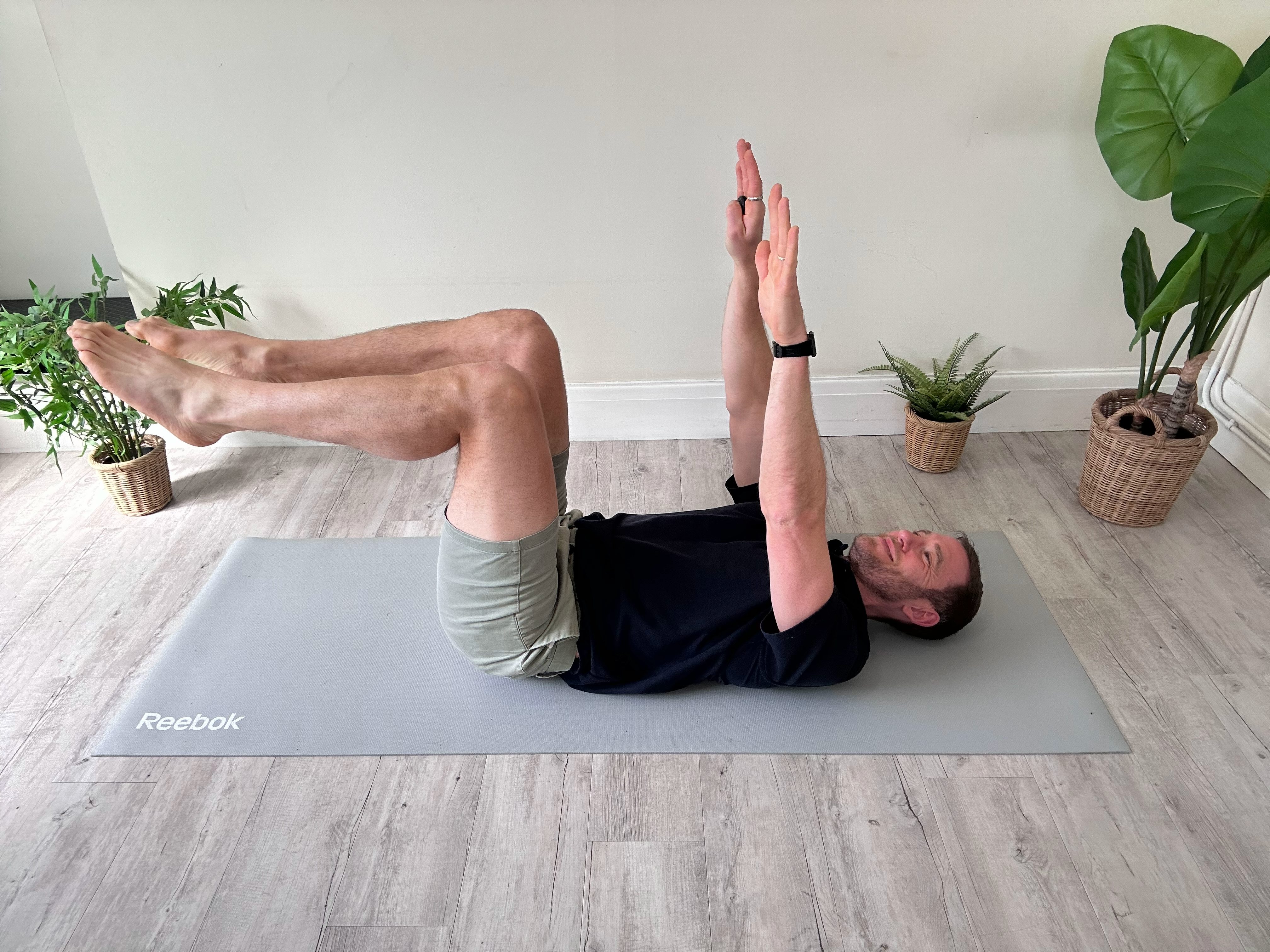
Dead Bug Exercise: How to Do It
Step-by-step guidance for Dead Bug Exercise, including setup, movement cues and when to stop or seek advice.
-
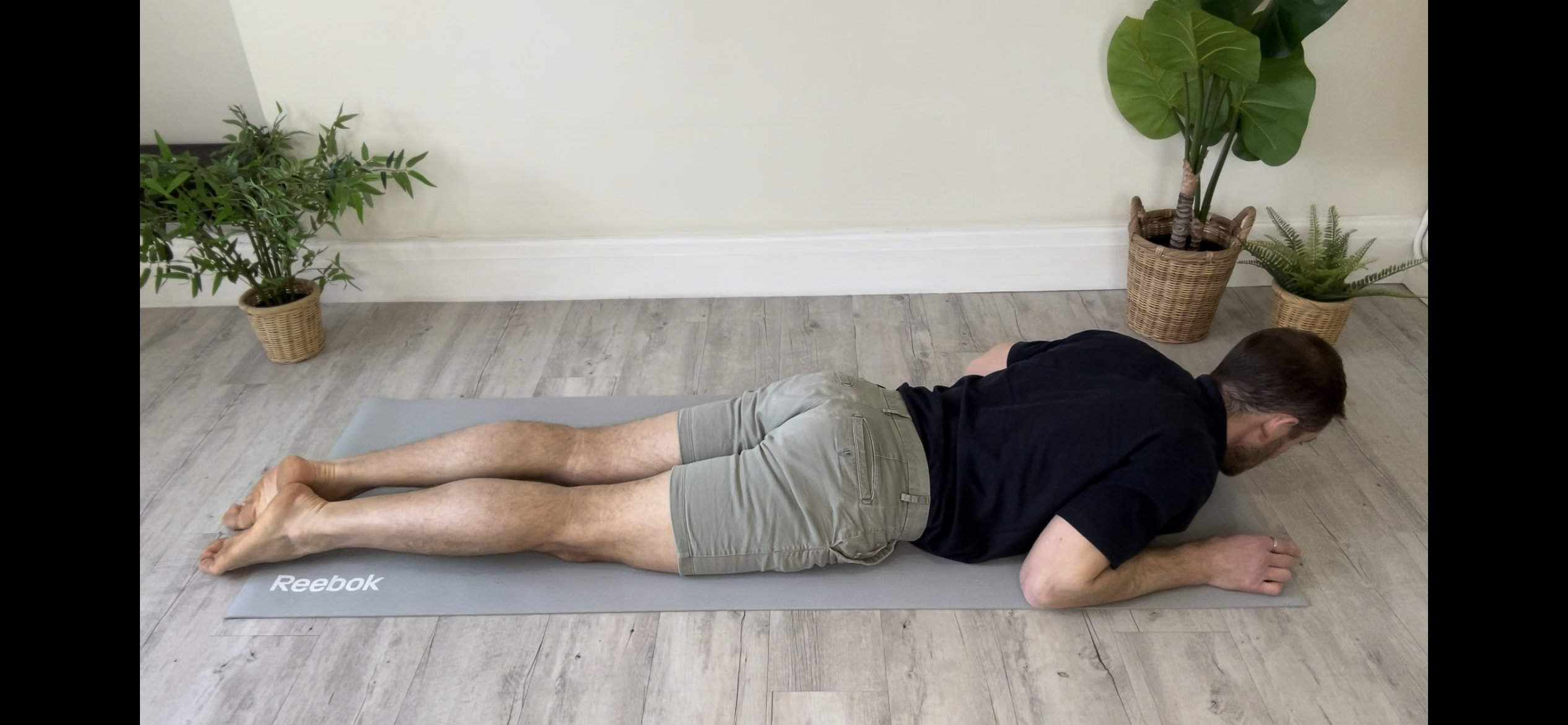
McKenzie Extension: Step-by-Step Guide
Step-by-step guidance for McKenzie Extension, including setup, movement cues and when to stop or seek advice.
-
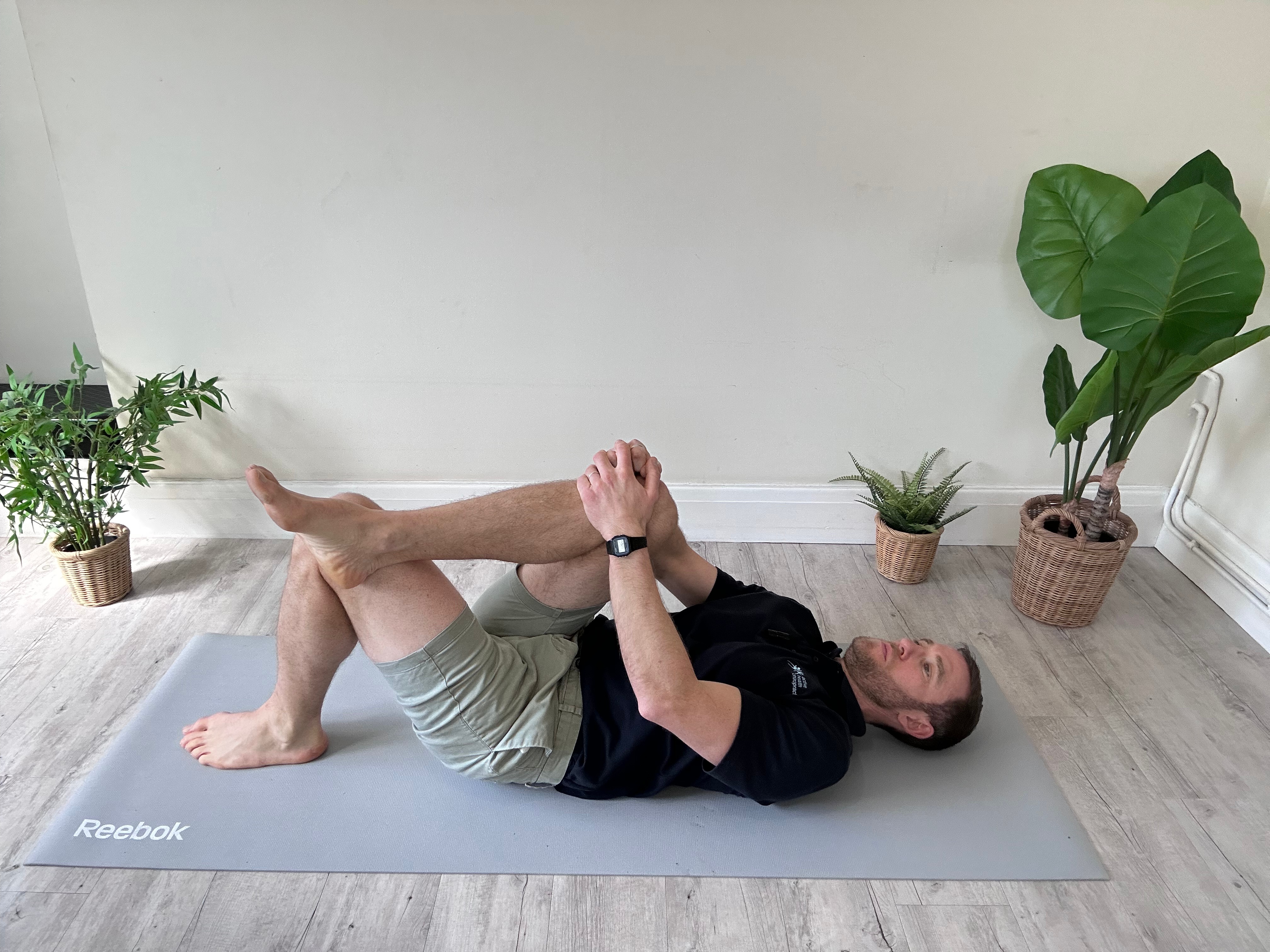
Piriformis Stretch: Step-by-Step Guide
Step-by-step guidance for Piriformis Stretch, including setup, movement cues and when to stop or seek advice.
-
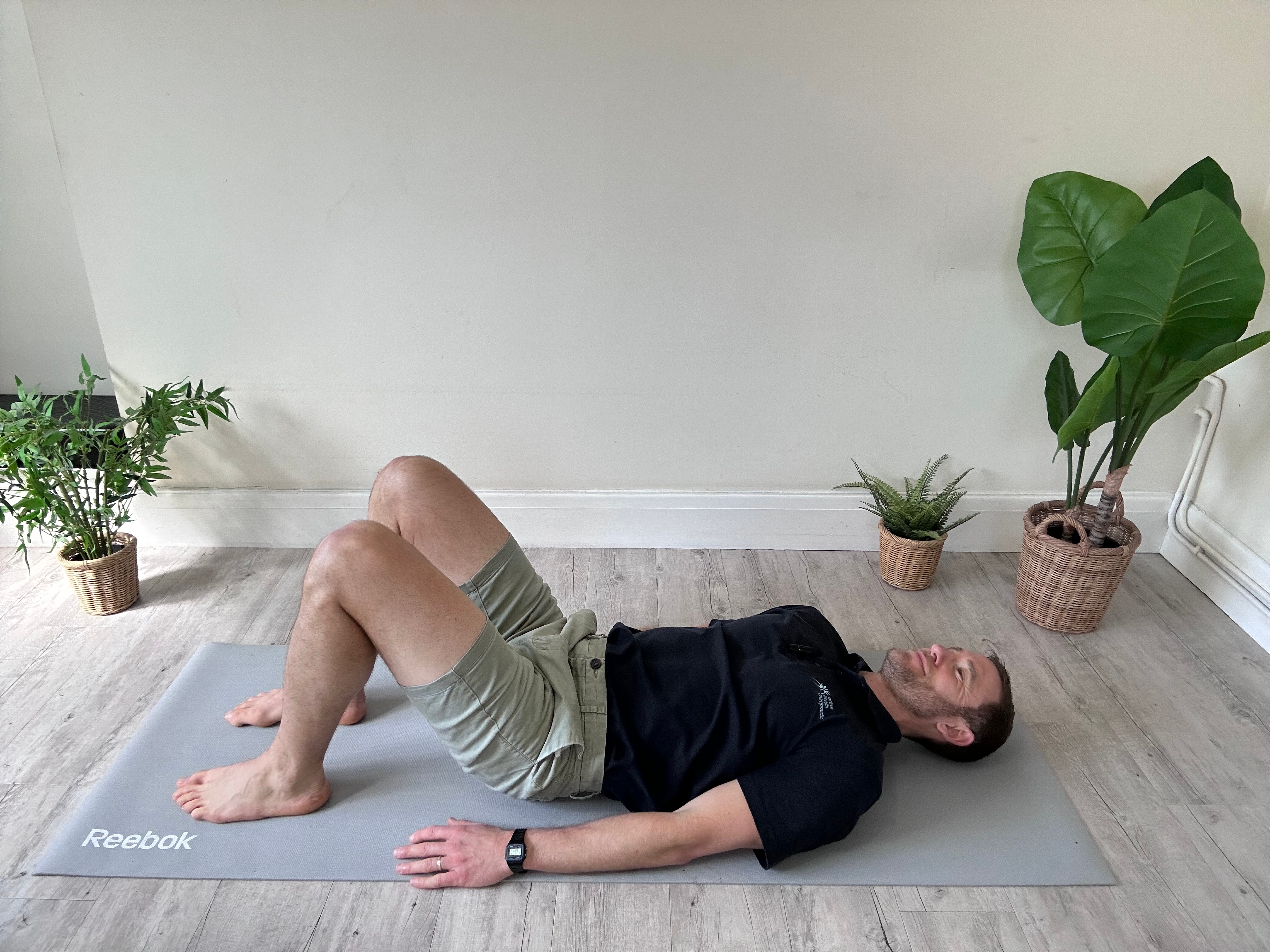
Glute Bridge (Hip Lift): How to Do It
Step-by-step guidance for Glute Bridge, including setup, movement cues and when to stop or seek advice.
-
Supine Leg Rotations: How to Do It
Step-by-step guidance for Supine Leg Rotations, including setup, movement cues and when to stop or seek advice.
-
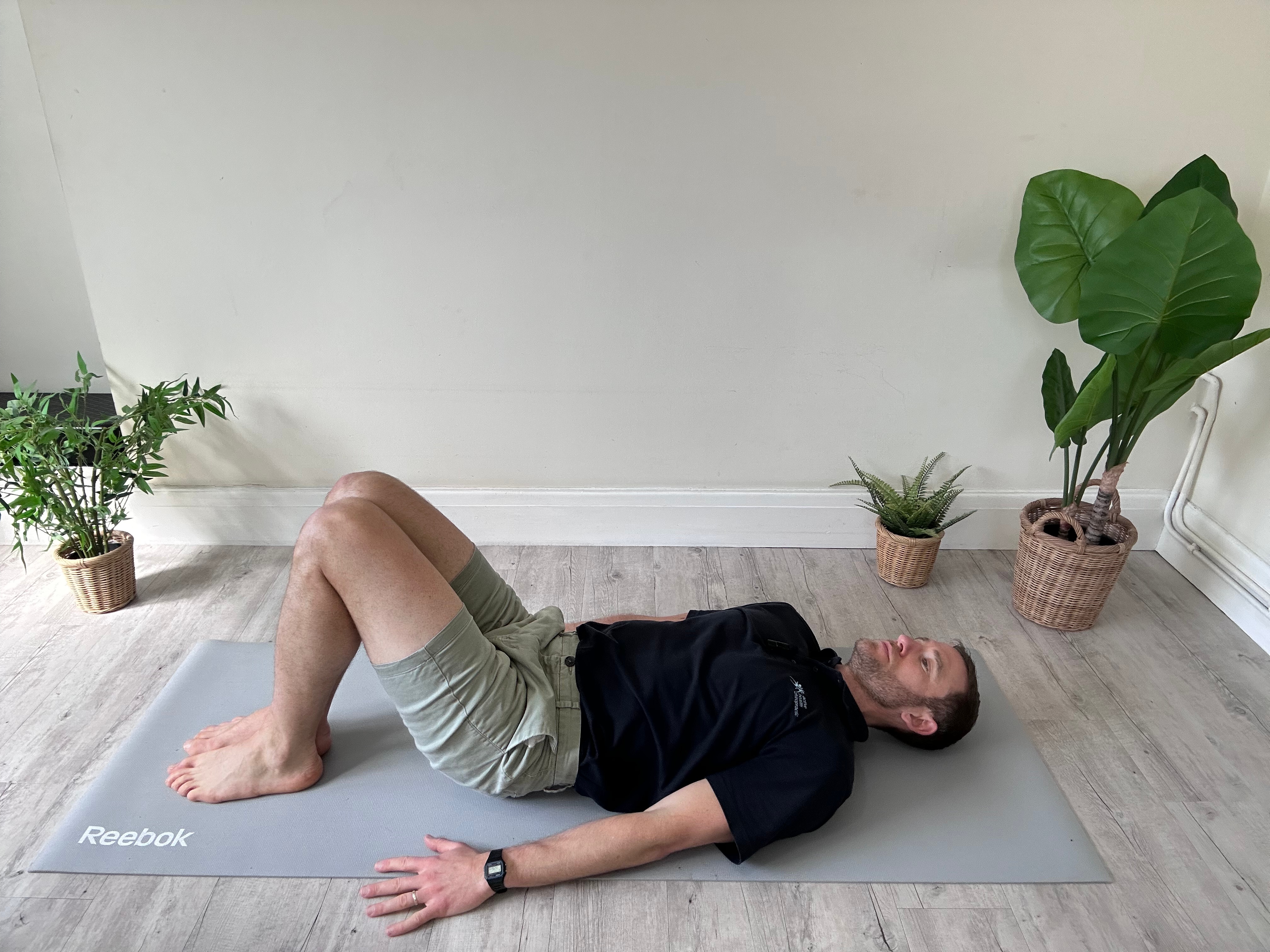
Gluteal (Glute) Stretch
Step-by-step guidance for GlutealStretch, including setup, movement cues and when to stop or seek advice.

-
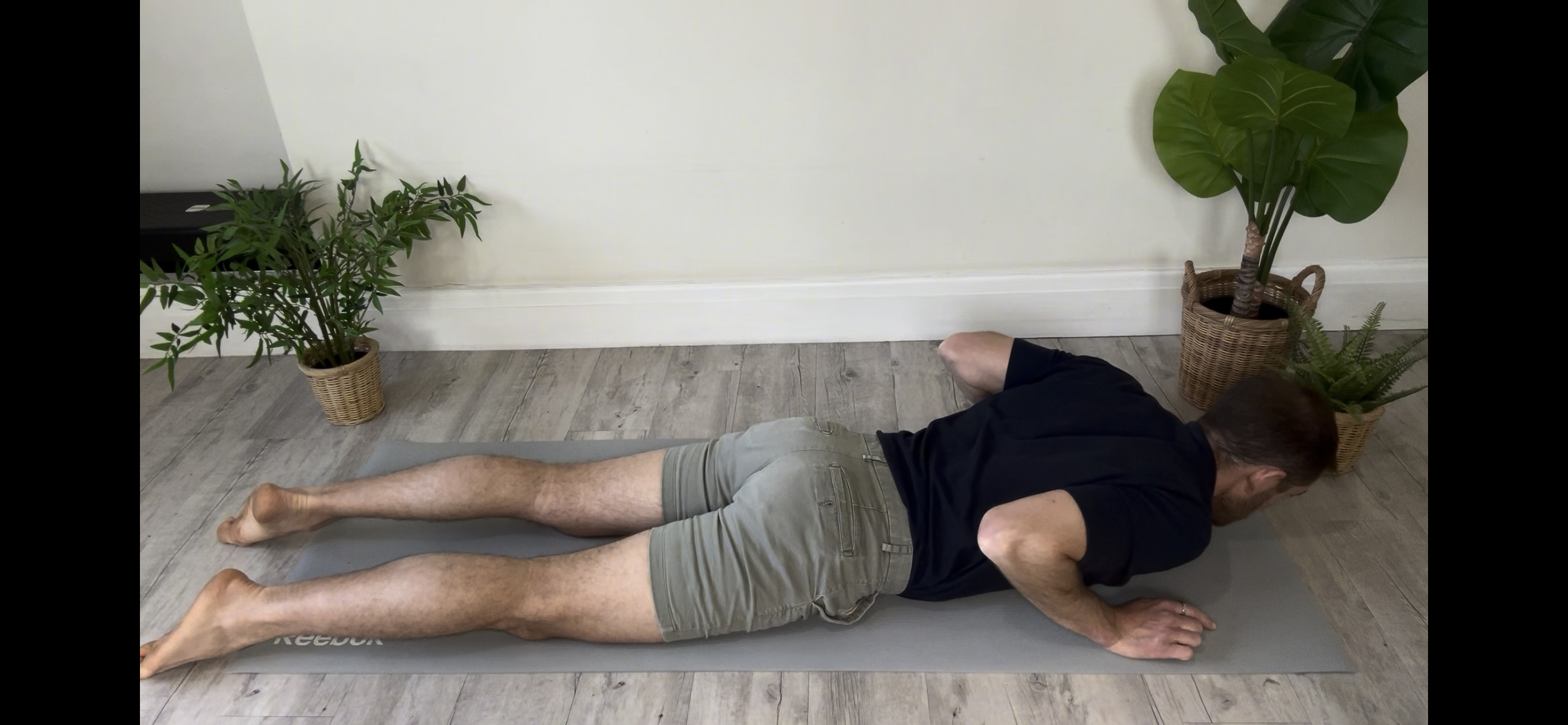
Cobra Stretch (Prone Extension)
Step-by-step guidance for Cobra Stretch, including setup, movement cues and when to stop or seek advice.
-
Child’s Pose (Knee-Folded Rest Position)
Step-by-step guidance for Child’s Pose (Knee-Folded Rest Position, including setup, movement cues and when to stop or seek advice.
-
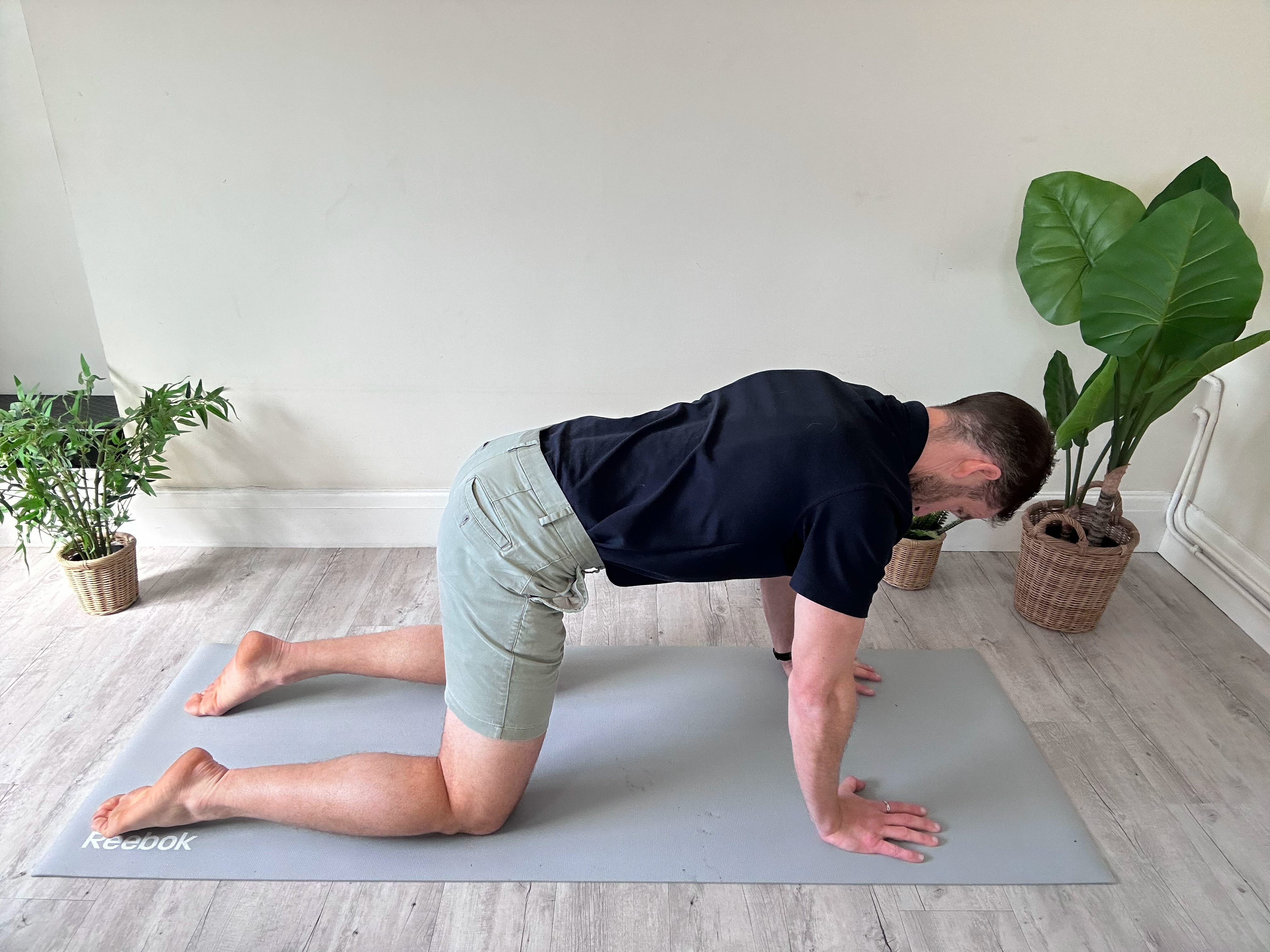
Cat/Cow Stretch: How to Do It
Step-by-step guidance for Cat / Cow Stretch, including setup, movement cues and when to stop or seek advice.

When to Seek Help
You should seek professional advice if your symptoms are worsening, not improving over time, or affecting your daily activities.
This is especially important if you experience:
- Persistent pain that doesn’t settle
- Weakness or loss of movement
- Pain following injury or trauma
Getting the right diagnosis early can make recovery much easier.