Symptoms, Causes and Treatment Options
Spinal Stenosis is something I have treated many times in almost 20 years of working as a
chiropractor at Active Health in Portsmouth UK. I would say it’s far less often than disc
bulges but when it’s present, it’s extremely important to recognise it because it behaves
very differently.
Many people with spinal stenosis are initially told they have ‘sciatica’ and technically that’s
true. However, the strategy that helps disc-related sciatica can sometimes make stenosis
worse, which is why this page exists.
My aim here is to help you recognise the pattern, reduce unnecessary worry, and guide you
toward the right next steps.
What This Page Will Help You Understand
After reading this page, you should understand:
What spinal stenosis actually is
How stenosis-related sciatica behaves differently
Common symptoms and patterns
What usually helps (and what often makes it worse)
When to seek further medical advice
Important: If your symptoms don’t match the pattern described below, you may want to read my Disc Bulge / Herniation (LINK) page or my Sciatica LINK page, as these conditions are more common.

What Is Spinal Stenosis?
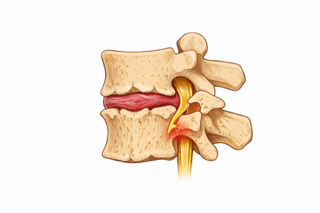
Spinal stenosis simply means “narrowing”.
In the lower back, it refers to a narrowing of the spaces where the nerves travel, either:
- Through the spinal canal where the spinal cord lies, or
- Out of the spine toward the legs
This narrowing can reduce the space available for the nerves, particularly when standing upright or walking.
Spinal stenosis tends to develop gradually over time and is more common as we get older. It’s often associated with age-related changes such as:
- Arthritis
- Thickening of ligaments
- Disc degeneration
- Bony changes around the joints
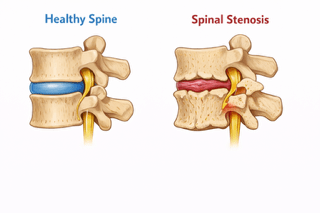
This is very different from a disc bulge, which is usually related to loading, bending, and repetitive stress rather than narrowing.

How Does Stenosis-Related Sciatica Behave?
This is the most important section:
People with spinal stenosis often notice a very specific pattern:
- Leg pain, heaviness, or numbness when standing, walking or bending backwards
- Symptoms that ease with sitting down
- Relief when bending forward (for example, leaning on a trolley or bike)
- Pain may be in one leg or both
- Back pain may be mild or absent
This pattern is sometimes called neurogenic claudication.
If your leg pain is worse with sitting and eased by walking, stenosis is less likely and a disc-related problem is more common — see my Disc Bulge LINK page for guidance.

Why This Pattern Happens
When we stand upright, the lower back naturally arches slightly.
In spinal stenosis, this position can reduce the space around the nerves even further.
When you sit or bend forward, the spine opens up slightly, giving the nerves more room, which is why symptoms often ease.
This explains why advice that helps disc problems (like “keep walking through it”) doesn’t always apply here.

Common Mistakes I See in Clinic
Over the years, I’ve noticed a few common issues with stenosis patients which you might be able to relate to:
- Trying to “push through” walking pain
- Being told to stretch/exercise even though it causes you more pain
- Worrying that surgery is inevitable
- Assuming worsening symptoms mean permanent damage
In reality, many people with spinal stenosis manage very well with the right approach, once they understand what helps their pattern.
PATIENT CASE STUDY: I remember not too long ago, a lady in her 80’s came to see me with sciatic pain caused by spinal stenosis. She was still an active lady trying her best to keep moving as is often the advice with sciatica but her pain just got worse and worse.
After consulting me and learning more about her condition, she took more notice of what was aggravating the nerve. She didn’t stop completely but recognised when it was time to sit down and rest before her pain increased. She also mobilised her spine using my suggested exercises LINK
After several months of doing this, the nerve that had been injured and inflamed started to heal and she was able to walk further and further without pain. She adopted these strategies going forward and managed her condition without it affecting her quality of life.
What Usually Helps Spinal Stenosis?
Management is about reducing nerve irritation, not forcing activity.
Helpful strategies often include:
- Breaking walking into shorter, manageable bouts
- Using positions that involve slight forward bending
- Avoiding long periods of standing still
- Gentle mobility exercises within comfort LINK
- Improving sitting and desk setup LINK
- Building tolerance gradually rather than pushing through pain
Unlike disc-related problems, rest can sometimes be more appropriate here — especially during flare-ups.
TOP TIP: From my experience with patients who have spinal stenosis, practical strategies often make a meaningful difference.
If walking or standing quickly brings on your symptoms, using a rollator might help you — not as a sign of decline, but as a way to pace yourself more effectively.
Being able to take short seated breaks can reduce nerve irritation, improve confidence with walking, and make everyday tasks such as shopping more manageable without provoking symptoms. Here are some that I would recommend LINK


How Is This Different From Disc Bulges?
In simple terms:
- Disc bulges are usually worse with bending and sitting
- Stenosis is usually worse with standing and walking
That difference matters.
If your symptoms don’t clearly match one pattern, it’s not unusual — and that’s where a proper assessment from a professional helps clarify things.

When to Seek Further Medical Advice
You should seek urgent medical help if you experience:
- Loss of bladder or bowel control
- Numbness around the groin or genitals
- Progressive weakness in the legs
- Severe worsening symptoms that don’t settle at all
These symptoms are uncommon but should never be ignored.
Final Thoughts
Spinal stenosis can sound alarming, especially when you see scan reports filled with technical language.
In practice, many people live very well with it once they:
- Understand the pattern
- Stop doing what aggravates it
- Focus on the right type of movement and activity
If your symptoms behave differently from what’s described here, explore my Sciatica or Disc Bulge pages to guide your next steps.

NEXT STEPS
- Read the Sciatica page LINK if your pain travels into the leg
- Read the Disc Bulge / Herniation page LINK if sitting or bending worsens symptoms
- Explore the appropriate exercise LINK and lifestyle guidance for your pattern
- Read why one of my recommended rollators LINK could reduce your pain when walking
 Active Health Hub