
Understanding Neck Pain – A Practical Guide
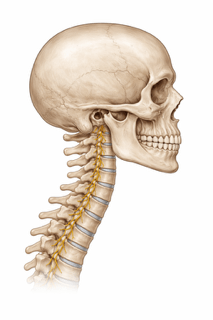
As a chiropractor seeing patients for nearly 2 decades, neck pain is the second most common problem that I see behind low back problems. However, anyone who has experienced neck pain (me including!) will say that it can be just as painful and debilitating.
The good news is that most neck pain issues can be improved – and even resolved – when they’re managed properly.
The aim of this page is to help you understand:
– Why Neck Pain Happens
– The Most Common Things I See in Clinic
– What Usually Helps
– When to Seek Further Medical Advice
Once you have gained a general understanding, you’ll be able to explore specific conditions,
exercise and practical tools that may support your recovery.
Common Patterns and Causes of Neck Pain

I was lucky enough not to suffer with any kind of neck problems until I was well into my 30’s. When I did, I can tell you it was an awful shock to the system! It really makes you realise how often you use and move your neck! I certainly found a new level of empathy for my patients.
Necks are known medically as your cervical spine. They are very complex structures, extremely flexible… but also (surprisingly) super strong! Neck pain issues usually follow particular patterns. When you’ve seen as many neck problems as I have over the years, you
can start to recognise them. Here are some examples;
Postural and Sustained Load

Probably the most common contributors to neck pain. Typical causes include:
– Desk Work
– Prolonged Phone Use
– Sitting Hunched/Leaning to One Side
It’s really easy to put our necks under strain without even realising it. Simple little habits
throughout the day cause imbalances in the muscles and can soon build up. Even just sitting
having coffee with a friend, or twisting round chatting to friends at the dinner table can
gradually put strain on the muscles and joints.
Muscle and Joint Irritation
When poor posture and strain build up over time, muscles are over worked making them
painful and joints get irritated and stiffness. This is when we start to feel those aches and
pains build up.
Disc Related Issues
Disc problems in the neck are extremely common. There are different types of disc issues
which is expanded on in the condition pages. Symptoms include:
– Restriction in movement especially often in one particular direction
– Trouble sleeping due to pain
– Pain when sitting
– Pain in the shoulder blade (often more than the neck itself)
– Pain down the arm (with associated pins and needles and/or numbness)
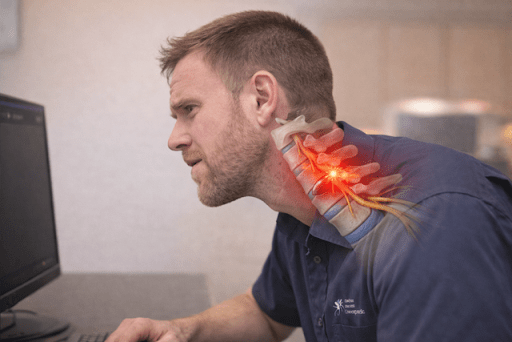
When a nerve is irritated in the neck causing pain to travel into the arm, it’s like having
‘sciatica of the neck’. I’ve seen hundreds of these presentations over the years, and I can
tell by my patients that it’s one of the most painful problems to have. I honestly think I’d
rather break a leg than have this injury. They can be really worrying and debilitating, but
most get better over time.
Stress and Tension
Now this is definitely a sentence I hear every day in clinic…
“I think I hold my tension in my neck and shoulders. “
We’ve all found ourselves in this position at some point when are shoulders are half way up
our heads trying to escape! It’s a known fact that stress and tension can contribute to neck
and shoulder pain. The hardest part is recognising it when we are doing it.
Stress and tension can also lead to:
– Cervico-genic Headaches (headaches that stem from the neck)
Sleeping Positions
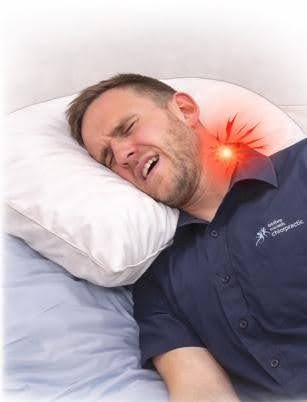
Sleeping with a pillow that is too high or too flat can strain the neck for several hours each night, often resulting in morning stiffness or pain.
It’s worth investing in a quality ergonomic pillow as that’s where your neck spends roughly a third of their life!
WHY ISN’T MY NECK PAIN GETTING BETTER?
Neck pain often lingers, not because it’s serious, but because the underlying causes haven’t
fully changed. Even with treatments such as chiropractic and massage, it’s common for neck
pain to reoccur.
Daily activities such as:
– Driving
– Frequent screen use
– Poor sleep
– Stress
– Reduced movement
Continue to overload the neck and aggravate the problem. It’s common to end up with a
pain that comes and goes… often my patients will have a pain-free week and then seemingly
out of the blue, their neck is bad again for a week.
Is My Neck Pain Serious?
I’m pleased to say that most neck pain cases are not dangerous and improve with
appropriate care, movement and time. However, certain cases should be assessed
promptly by a medical professional, such as:
– Progressive arm weakness
– Significant numbness
– Unexplained weight loss and/or fatigue
– Pain following significant trauma
TRUE STORY: I once had a patient in his 50’s who fell off his bike and came to see me 2
weeks after, still with severe neck pain. I decided to take x-rays as I was not happy with
his presentation and it turned out that he had a fracture in one of his upper vertebra!
Boy, was I pleased that I trusted my instincts that day and did not try and treat him…HE
HADN’T EVEN TAKEN ANY TIME OFF WORK!!
(NB: This is a very rare case and the only traumatic neck fracture that I have ever
experienced)
What Helps with Neck Pain?
While every case is different, management always involves a combination of:
– Improving Posture Awareness
– Restoring Normal Movement/Function
– Strengthening Supporting Muscles
– Activity Modification
– Addressing Work and Sleep
In clinic I often see patients whose neck problems have built up over a long period of time
for a multitude of the above reasons. Once we identify the key aggravating factors and
ADDRESS THEM CONSISTENTLY, many people notice improvements.
Please don’t be disheartened if things don’t improve after a week or 2. It often requires
many months of work to gain long term improvements, but you can do it!
TAKING THE NEXT STEP
I always say to my patients, if we can understand and identify the causes of neck pain, we
are half way there to improving it. The neck is a strong resilient structure, and with the right
approach, most people can gain pain relief, comfort, and confidence to move again.
On this site, you’ll find:
– Detailed guides on specific neck conditions
– Practical Exercises
– Posture advice
– Tools and products that may support recovery
Each section is designed to help you make informed decisions and take control of your neck health
 Active Health Hub